
Topline
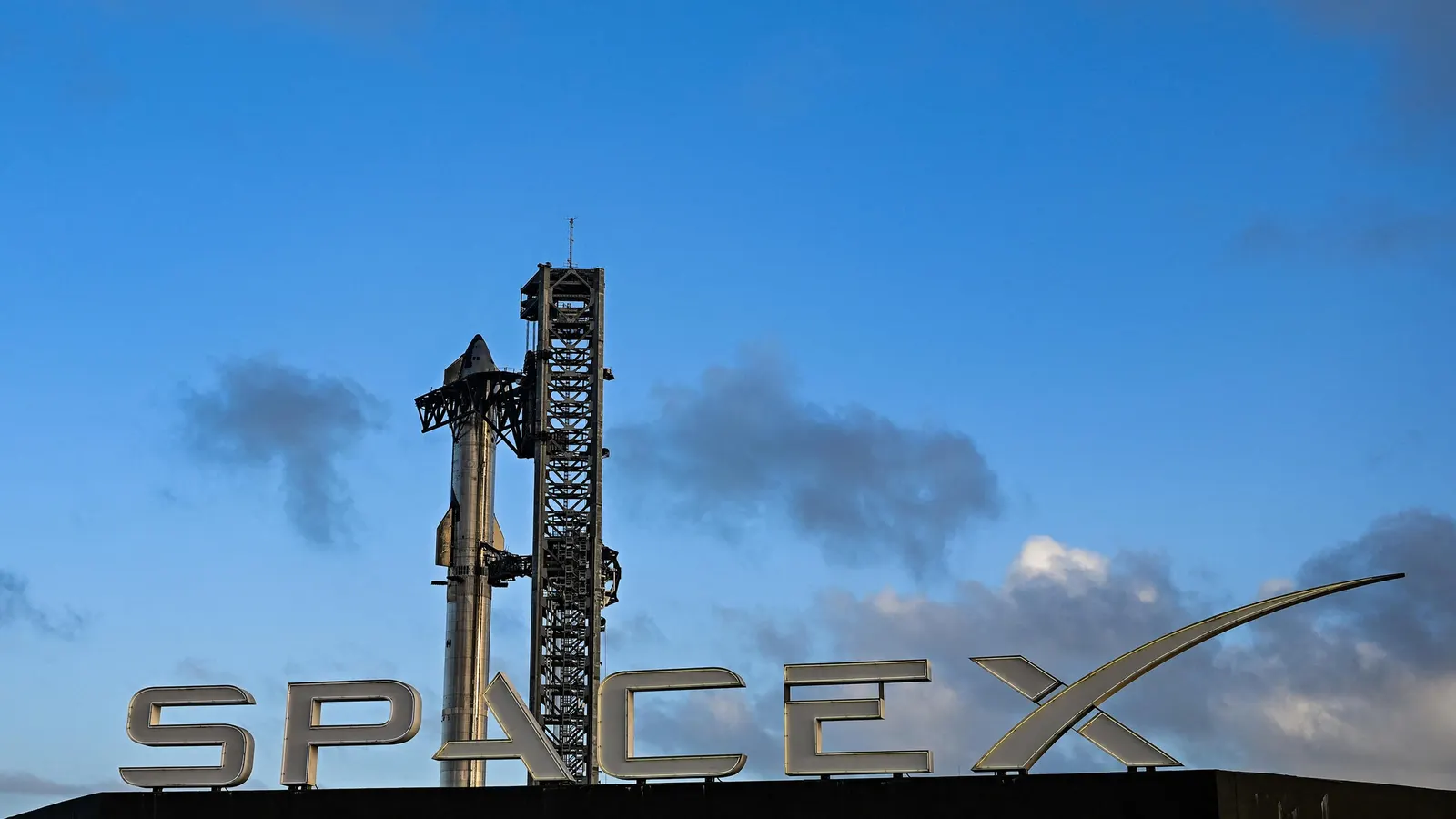
As investors prepare for what could be one of the biggest IPOs ever, SpaceX is increasingly valued as more than just a rocket company. Much attention is focused on Starlink, artificial intelligence and the emerging space economy, but another more Earthly ambition remains largely overlooked: turning Starship into a global rapid-transit network. If it could live up to the promise of traveling anywhere on Earth in less than an hour, Starship could one day place SpaceX in direct competition with the commercial aviation industry, posing a long-term challenge to Boeing and Airbus as well as the airlines that fly their aircraft. Its niche? Day-return business-class travel.
By Rocket. How Fast Would ‘earth-To-Earth’ Starship Be?
According to SpaceX’s Earth-to-Earth transportation concept, Starship could reduce some of the world’s longest airline routes from hours to minutes:
- Los Angeles to New York (3,983 km): 5 hours 25 minutes by commercial airliner, 25 minutes by Starship.
- Bangkok to Dubai (4,909 km): 6 hours 25 minutes by commercial airliner, 27 minutes by Starship.
- Tokyo to Singapore (5,350 km): 7 hours 10 minutes by commercial airliner, 28 minutes by Starship.
- London to New York (5,555 km): 7 hours 55 minutes by commercial airliner, 29 minutes by Starship.
- New York to Paris (5,849 km): 7 hours 20 minutes by commercial airliner, 30 minutes by Starship.
- Sydney to Singapore (6,288 km): 8 hours 20 minutes by commercial airliner, 31 minutes by Starship.
- Los Angeles to London (8,781 km): 10 hours 30 minutes by commercial airliner, 32 minutes by Starship.
- London to Hong Kong (9,648 km): 11 hours 50 minutes by commercial airliner, 34 minutes by Starship.
Spacex’s Plan For ‘earth To Earth’ Flights
SpaceX has never published a full commercial business case for Starship “Earth To Earth” travel. Speaking at TED 2018 in Vancouver, Shotwell argued that Starship could eventually compete directly with long-haul airlines on both speed and price. Describing the company’s vision for point-to-point travel, she said passengers could “take off from New York City or Vancouver and fly halfway across the globe” and be on Starship for “roughly half an hour or 40 minutes.”
While acknowledging that many people considered the idea unrealistic, Shotwell was unequivocal. “This is definitely going to happen,” she said. She argued that a Starship carrying about 100 passengers could make multiple flights per day, unlike a long-haul airliner, which typically completes only one intercontinental flight per day. “Even if my rocket was slightly more expensive and the fuel is a little bit more expensive, I can run 10 times at least what they’re running in a day,” she said. Asked about ticket prices, Shotwell predicted that within a decade fares could be priced “between economy and business” class, allowing travelers to fly from New York to Shanghai in about an hour.
Towards A Global Spaceport Network
A lack of infrastructure may be Starship’s biggest obstacle. While airlines can use thousands of existing airports worldwide, point-to-point travel on Starship would require the construction of an entirely new global transportation network. SpaceX has previously suggested passengers would travel by boat from big coastal cities to offshore platforms for launch. So, as well as dedicated offshore launch and landing platforms, marine transport links, safety exclusion zones, propellant storage facilities and regulatory approval would all be required.
Read more Just How Popular Is ‘60 Minutes’? It’s Beaten Network TV’s Biggest Shows For Decades.
The company’s only existing spaceport is Starbase on the Boca Chica peninsula, Texas, but there have been claims that SpaceX has been scouting potential locations to build new spaceports. SpaceX stated on X that, “It’s no secret that we intend to launch Starship a lot, targeting thousands of flights per year. That cadence will require the ability to launch from many different locations, so we are constantly exploring to find viable sites to expand Starship operations in the future, both domestically and internationally.” Other obstacles could include safety certification, operating costs and, of course, passenger acceptance. Not everyone will want to travel by rocket.
The Bigger Prize May Be Global Transportation
“People think they’re investing in rockets,” said futurist and entrepreneur Brett Hurt, author of Love Conquers Fear: Humanity, AI, and the Age of Abundance for All, in an interview. “I think they’re investing in the future of transportation.”
The market opportunity for SpaceX’s point-to-point flights is theoretically huge. It could challenge Airbus and Boeing in the global commercial aircraft market, which Statista values at $87.66 billion. In 2025, Airbus controlled about 56% of the global commercial aircraft market, compared to Boeing’s 40%, according to Simple Flying. The aerospace industry is on the cusp of a huge expansion, with Statista forecasting that the global aircraft fleet may nearly double by 2043.
However, it could also enter the airline travel market, which Vantage estimates at $910 billion in 2025 and is projected to reach $1,620 billion by 2035. The highest revenues and profits come from North America and Europe, while the fastest passenger demand growth is in Asia-Pacific, according to Statista.
Read more Almost 60 Sickened From Raw Milk In Idaho As Campylobacteriosis Outbreak Being Investigated
Further Reading
ForbesWhy Is SpaceX Launching History’s Biggest Rocket During A Fuel Crisis?By Jamie CarterForbesNASA Changes Moon Plan: Landing Now Depends On SpaceX Or Blue OriginBy Jamie CarterForbesSpaceX Space Junk Could Crash Into The Moon In August, Scientist SaysBy Jamie CarterForbesNASA Picks Bezos’ Blue Origin Over SpaceX For Key Moon Base MissionBy Jamie CarterForbesNASA’s Moon Plans Take A Hit After Rocket ExplosionBy Jamie Carter