
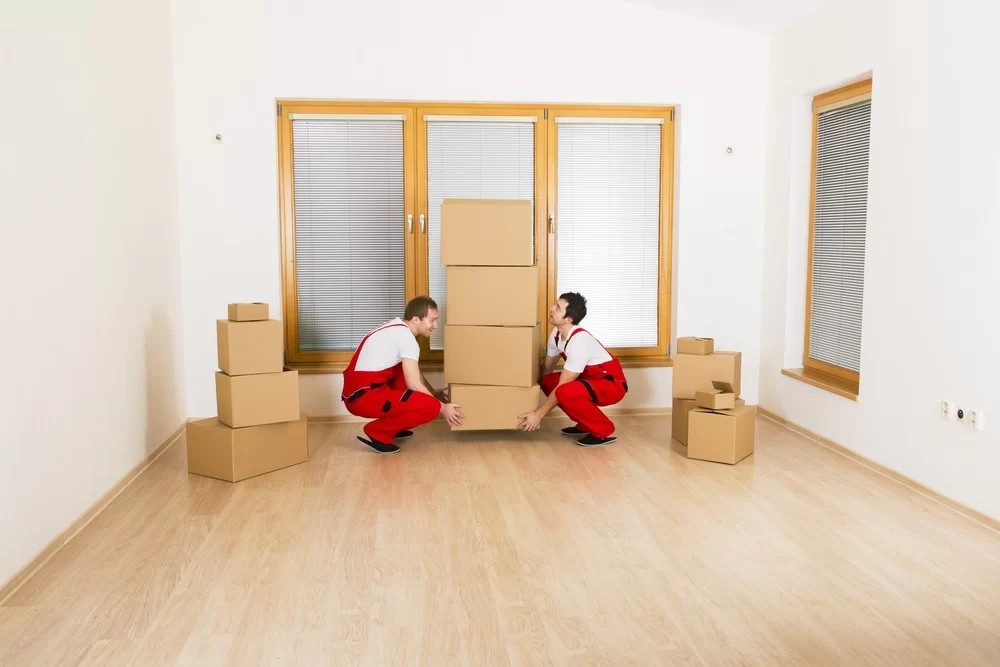
The kitchen is often the last room homeowners want to think about during a move. It contains fragile glassware, oddly shaped appliances, heavy cookware, pantry supplies, small gadgets, and countless little objects that somehow seem to multiply inside every cabinet. Packing all of it without a system can turn an otherwise organized relocation into a frustrating project.
Professional movers approach a kitchen relocation differently. Instead of treating the room as one large collection of boxes, they break it into manageable categories, protect vulnerable belongings, and plan how everything will be loaded and delivered. Pro Movers and Storage can support homeowners through these practical stages as part of a residential relocation.
Start by Sorting What Actually Belongs in the New Kitchen
A kitchen move is an excellent opportunity to eliminate items that have not been used in years. Before packing begins, go through cabinets, drawers, pantry shelves, and countertop storage.
Separate everyday essentials from rarely used equipment. Donate duplicate cookware, discard expired food, and decide whether bulky appliances are worth transporting.
This reduces the volume that needs to be packed and gives the moving crew a clearer inventory to work with.
Group Similar Items Together
Professional preparation relies heavily on organization. Plates should not be mixed randomly with utensils, while small appliances should remain separate from fragile glassware.
Grouping belongings by type makes both packing and unpacking easier. It also allows homeowners to identify boxes that require particularly careful handling.
Protect the Fragile Parts of the Kitchen
Glassware and Dishware Need Structure
Kitchen items are frequently fragile and irregularly shaped. Glasses, plates, mugs, serving dishes, and decorative pieces need cushioning and appropriate box placement.
Heavy objects should not be positioned on top of delicate items. Adequate padding can help prevent movement inside containers during transportation.
Appliances Require Preparation Too
Coffee makers, mixers, air fryers, microwaves, and other countertop appliances should be cleaned and completely dry before packing. Cords can be secured neatly so they do not become tangled or damaged.
Larger appliances may require additional preparation depending on the type of equipment and the relocation circumstances.
Where Professional Residential Movers Add Value
A kitchen relocation is only one part of a household move, which means homeowners are usually juggling several rooms at the same time. Professional Residential Movers can take over the physical work of transporting kitchen belongings along with the rest of the household inventory.
Pro Movers and Storage can assist with loading, transportation, unloading, and other residential moving requirements. Details about the company’s residential services are available at https://promoversandstorage.com/services/residential-moving-services.
This type of support can be especially useful when a kitchen contains substantial cookware collections, large appliances, fragile serving pieces, or furniture that requires careful maneuvering.
Think About the New Kitchen Before Moving Day
The destination kitchen should influence how belongings are prepared for delivery.
If the new home has fewer cabinets, a different island configuration, or limited pantry space, decide in advance where important items will go. Measuring available storage can help prevent boxes from being unloaded without a clear destination.
Create an Essentials Box
Do not bury everything in the moving shipment. Keep a small selection of kitchen necessities easily accessible.
A few plates, cups, utensils, basic cookware, coffee or tea supplies, paper towels, and cleaning products can make the first evening much easier. Having these essentials ready means the household does not need to unpack the entire kitchen immediately.
Loading the Kitchen With the Rest of the Household
Kitchen boxes should be loaded strategically rather than simply filling whatever space is available. Fragile containers should be protected from heavier furniture and other items that could shift during transportation.
Clear labeling helps movers identify boxes that belong in the kitchen as soon as they arrive. It also makes the unpacking process more efficient when multiple rooms are being handled simultaneously.
For homeowners looking for broader moving information and support, https://promoversandstorage.com/ provides an overview of Pro Movers and Storage and its residential and other relocation services.
Getting the New Kitchen Functional Quickly
Once the shipment arrives, start with the items that support everyday routines. Set up basic cookware, dishes, appliances, and frequently used pantry goods before tackling less important possessions.
A logical sequence can turn a box-filled kitchen into a usable room surprisingly quickly. Pro Movers and Storage can help with the transportation and unloading stages, allowing homeowners to concentrate on arranging their new space.
A kitchen relocation does not have to become a marathon of broken dishes and half-labeled boxes. With thoughtful preparation, protective packing, and assistance from experienced Residential Movers, homeowners can move one of the busiest rooms in the house with considerably less stress and disruption.