
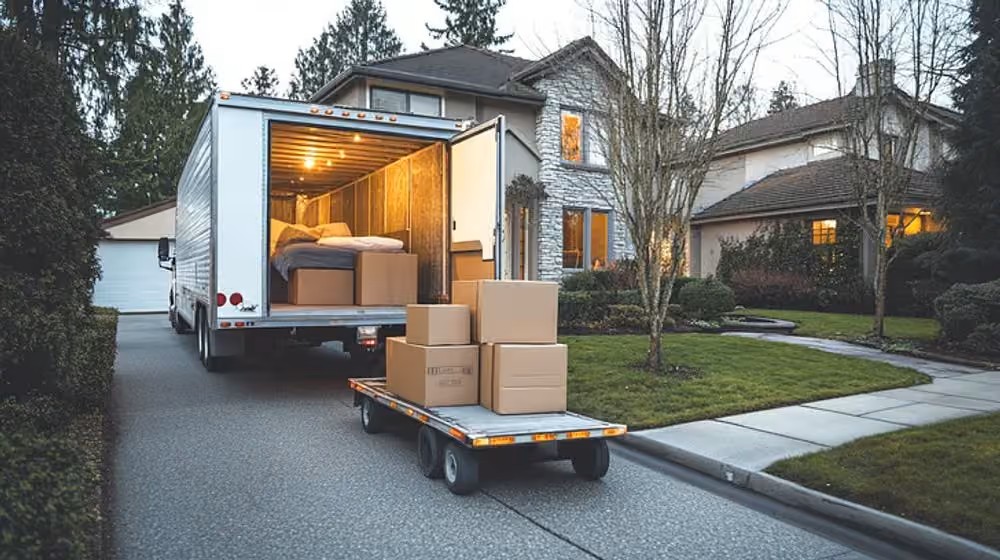
Sometimes the new home is not ready when the old lease ends. A family may be staying in a furnished rental while waiting for a property purchase to close, while a relocating employee may spend several weeks in corporate housing before receiving the keys to a permanent residence. In these situations, moving everything immediately can create more problems than it solves.
Temporary housing changes the logistics of a long-distance relocation. Instead of thinking only about where belongings start and finish, residents need to consider timing, storage, access, and what they actually need during the interim period. A professional Hawaii Moving Company can help structure the move around those changing circumstances. Planning resources for longer relocations can also be found at https://hawaiimovingservices.com/long-distance-moving-hawaii/.
Why Temporary Housing Changes the Moving Plan
A traditional move has a relatively simple sequence: pack the residence, transport everything, and unload at the destination.
Temporary accommodation creates another layer. The household may need immediate access to clothes, work equipment, children’s necessities, and everyday items while larger possessions remain in storage.
A useful plan separates belongings into categories:
- Items needed during the temporary stay
- Goods intended for the permanent residence
- Fragile or high-value possessions
- Seasonal belongings
- Furniture that will not fit comfortably in temporary housing
This separation can make the transition much easier to manage.
Think About the Timeline First
The duration of temporary housing matters. A two-week stay requires a different strategy from a three-month arrangement.
Before packing begins, homeowners should estimate when the permanent property is likely to become available and consider whether that date could change. Building flexibility into the moving plan helps avoid unnecessary transportation or repeated handling.
Creating a Two-Stage Relocation
For some households, the most practical approach is to divide the move into stages.
The first stage involves transporting or storing the main household shipment while the family occupies temporary accommodation. The second stage takes place once the permanent home is ready.
A Hawaii Moving Company can help customers think through this sequence so that the household does not end up unpacking an entire home twice.
Storage Can Become Part of the Solution
Storage is particularly useful when there is uncertainty around the final move-in date. Furniture, large appliances, boxes, and other possessions can remain protected while the family uses only what is necessary during the temporary period.
This approach can also be useful when the temporary property is significantly smaller than the eventual home.
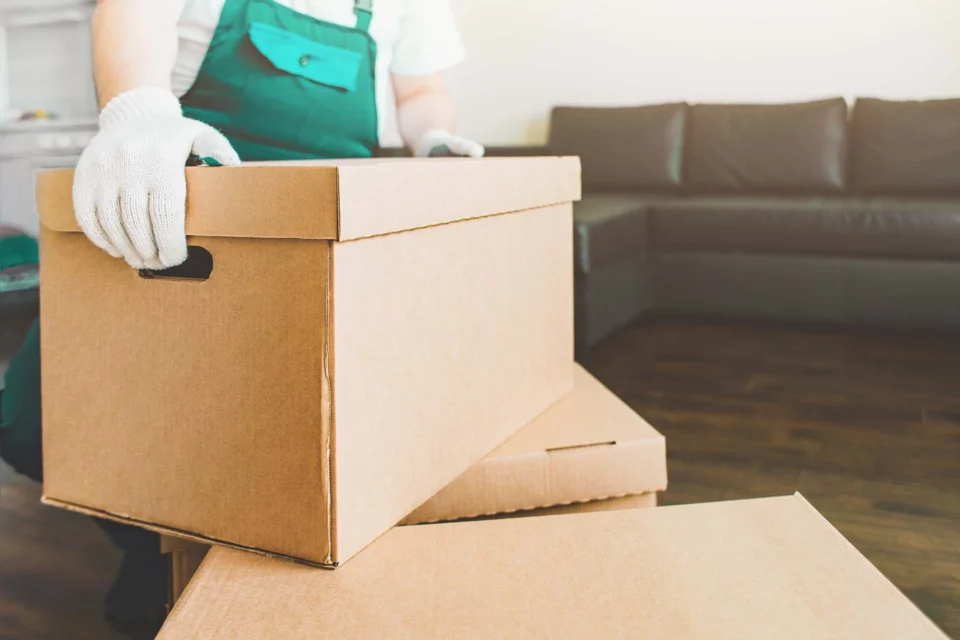
Packing for Two Different Destinations
The biggest mistake during a temporary-housing move is often packing everything as though the family will immediately arrive at its permanent residence.
Instead, essential items should be identified before the crew begins packing. Clothing, medications, documents, chargers, toiletries, school materials, and important work equipment should remain easily accessible.
Build an “Immediate Living” Group
Think of this group as everything required to function comfortably without opening the main shipment.
Depending on the household, it could include several weeks of clothing, basic kitchen items, children’s belongings, pet supplies, and small electronics.
The rest can be packed according to the longer-term destination.
Keeping the Permanent Delivery Flexible
Long-distance relocations can become complicated when the destination address changes after the shipment has already been arranged.
Temporary housing may also involve limited parking, building restrictions, elevators, or specific delivery windows. These details should be communicated as soon as they become known.
A flexible moving plan allows the delivery stage to be coordinated around the property’s actual readiness rather than forcing a household shipment into an unsuitable location.
What Families Should Keep With Them
Not everything belongs in a long-distance shipment. Personal documents, valuables, essential medications, financial records, and irreplaceable items are generally better kept under the customer’s direct control.
Families should also consider what would be difficult to replace during the temporary period. A child’s favorite comfort item or a laptop needed for work may be far more important during the transition than a box of decorative objects.
Make the Temporary Home Functional
The objective is not to recreate the entire household inside temporary accommodation. It is to make the interim period comfortable enough while preserving the main shipment for the permanent residence.
Once the permanent property is ready, the larger relocation can continue without having to reorganize everything from scratch.
A Move That Can Adapt to Changing Plans
Temporary housing does not have to derail a long-distance relocation. It simply requires a more flexible definition of what “moving day” means.
With thoughtful staging, appropriate storage, clear priorities, and communication about the eventual delivery address, residents can bridge the gap between leaving one home and settling into another. For households dealing with uncertain schedules, professional long-distance moving support can provide the structure needed to keep possessions organized while plans evolve.